


Summary
- Setting up a toy store in the UK requires compliance with intellectual property, advertising, accessibility, and environmental laws.
- Lease agreements must be carefully reviewed, and trade marks should be registered to protect your brand identity.
- Licensing agreements are essential when selling toys tied to popular characters or franchises.
- This article is a plain-English guide to the key legal considerations for business owners setting up a toy store in the UK.
- It has been prepared by LegalVision, a commercial law firm that specialises in advising clients on business setup and retail law.
Tips for Businesses
Register your trade mark early to protect your brand. Secure licensing agreements before selling franchise-related toys. Ensure your premises meet accessibility requirements under the Equality Act 2010. Review lease terms carefully, particularly rent and repair obligations. Align product sourcing and packaging with current environmental standards to remain compliant.


Setting up a toy store in the UK means navigating a distinct set of legal obligations alongside the excitement of building your business. Get these foundations right, and you protect both your customers and your brand. This article will delve deeper into these legal aspects, providing a more in-depth understanding of the key legal considerations when establishing a toy store in the UK.
1. Intellectual Property (IP) and Branding
Your business plan should prioritise branding and IP issues to differentiate your toy store and establish a unique identity.
Developing a strong brand identity is vital to attracting customers. This includes creating:
- a memorable logo
- store design;
- online store; and
- marketing materials.
However, you must also be vigilant about potential IP rights infringement.
Trade marks, copyrights, and patents are forms of IP protection. Trade marks, in particular, are relevant for your branding. It is essential to conduct a thorough search to ensure that your chosen brand elements do not infringe on existing trade marks. Registering your trade mark can provide you with exclusive rights to use that brand in the context of your toy store.
Additionally, you must respect the IP rights of others. Many toys are based on popular characters or are tied to well-known franchises. If your new business intends to sell such products, it should secure the necessary licensing agreements to avoid potential copyright and trade mark infringement issues.
2. Advertising and Marketing Regulations
Promoting your toy shop effectively is vital for attracting potential customers, but you must also comply with advertising and marketing regulations in the UK.
The Advertising Standards Authority (ASA) enforces rules on advertising, ensuring that marketing materials are truthful, not misleading, and do not exploit children. These regulations cover various aspects, including:
- pricing;
- product claims;
- social media posts; and
- advertising to children.
This also includes any claims concerning product safety and essential safety requirements, which are strictly enforced to protect young people from harm.
Continue reading this article below the formCall 0808 196 8584 for urgent assistance.
Otherwise, complete this form, and we will contact you on the same business day.
3. Environmental Responsibility and Sustainability
Environmental concerns are increasingly shaping consumer choices and regulations. As a toy business owner, considering your ecological impact and adopting sustainable practices can enhance your brand image and ensure compliance with emerging environmental laws.
To be environmentally responsible, you can focus on waste management, energy efficiency, and product sourcing. Reducing plastic packaging, recycling, and using energy-efficient lighting are just a few ways to align your toy store business with sustainability principles.
Additionally, consumers are becoming more conscious of the materials used in toys, so sourcing eco-friendly and non-toxic products can give your store a competitive edge while ensuring legal compliance with emerging environmental regulations.
4. Accessibility and Disability Discrimination
The Equality Act 2010 prohibits discrimination against people with disabilities. To comply, your store must make reasonable accommodations to ensure disabled customers can access its products and services. Such accommodations may include:
- ramps;
- accessible restrooms; and
- accommodating staff training.
Failure to comply with accessibility requirements can result in legal action, damage your reputation, and exclusion from potential customer bases.
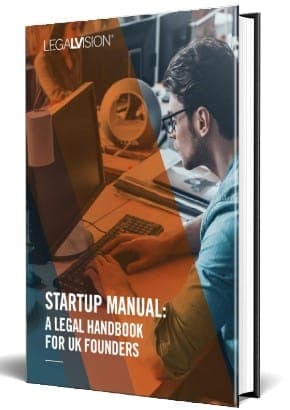
LegalVision’s Startup Manual is essential reading material for any startup founder looking to launch and grow a successful startup.
5. Lease Agreements and Real Estate Considerations
If you plan to lease a business premises for your toy store, carefully review and negotiate your lease agreement.
Lease agreements can significantly impact your business’ financial and operational aspects, so it is essential to understand the terms and obligations outlined in the contract. Pay particular attention to:
- rent;
- lease duration;
- premises improvements and maintenance; and
- repairs clauses.
Seek legal advice for any concerns or questions about the lease agreement.
Key Takeaways
Starting and running a toy store in the UK is an endeavour that combines fun and responsibility. Success in this business venture relies on taking the time to understand the legal considerations that affect your operations thoroughly. For example, seeking legal advice when necessary, staying informed about industry-specific regulations, and continuously adapting your business practices to meet legal requirements will protect your business and foster trust among your customers and the community. Addressing these comprehensive legal considerations can establish a solid foundation for your toy store and ensure its longevity and prosperity in the UK market.
LegalVision provides ongoing legal support for businesses through our fixed-fee legal membership. Our experienced e-commerce lawyers help businesses manage contracts, employment law, disputes, intellectual property, and more, with unlimited access to specialist lawyers for a fixed monthly fee. To learn more about LegalVision’s legal membership, call 0808 196 8584 or visit our membership page.
Frequently Asked Questions
Do I need to register my trade mark in the UK?
Registering your trade mark gives you exclusive rights to use your brand identity. Without registration, you risk others using similar branding, making enforcement difficult.
What licences do I need to sell branded toys?
You must secure licensing agreements from IP owners before selling toys tied to popular characters or franchises.
How does the Equality Act 2010 affect my toy store?
The Equality Act 2010 requires you to make reasonable adjustments so disabled customers can access your store, including installing ramps and providing staff training.
Can I advertise my toy store on social media freely?
No. The ASA regulates social media advertising, requiring all posts to be truthful, non-misleading, and compliant with rules protecting children.
We appreciate your feedback! Request your free consultation now.


