


In Short
- Sole traders are personally liable for all business debts: personal assets are at risk.
- Irregular income can make managing cash flow difficult and cause financial strain.
- Limited access to resources and expertise may slow growth and affect decision-making.
Tips for Businesses
Take out business insurance to reduce risks and protect personal assets. Plan carefully to manage cash flow and avoid financial stress. Seek professional advice from accountants or legal experts to ensure you’re making informed decisions.


Starting a business is an exciting endeavour that offers numerous opportunities for financial independence and personal growth. One popular route for aspiring entrepreneurs in the UK is establishing a sole trader business. A sole trader business is a business structure where an individual operates a business independently without forming a separate legal entity (unlike a limited company).
While this approach has advantages, knowing the legal and financial risks is essential. This article will explore four significant risks individuals should consider before creating a sole trader business in the UK.
1. Unlimited Liability
One of the most significant risks associated with running a sole trader business is the concept of unlimited personal liability. As a sole trader, you and your business are considered one legal entity. When completing a self-assessment tax return, you will be personally responsible for all the business debts and liabilities, including income tax liability.
Suppose the business runs into financial trouble or faces legal claims. As a sole trader, your personal assets, including your home and savings, could be at risk. Unlike other business structures, such as limited liability companies, where the owners’ personal assets are protected from business debts, sole traders do not have this safeguard.
Because of this, some individuals consider setting up a limited company instead. While this option requires more administrative work (including registration at Companies House) and potentially higher costs, it separates your personal assets from the business’s liabilities, providing you with an extra layer of protection.
2. Financial Instability
Running a business, especially in its initial stages, can be financially unstable. Any sole owner often faces irregular income streams and may need help managing cash flow effectively.
This volatility can make it challenging to consistently cover personal and business expenses, leading to stress and potential financial hardships. Planning for the future or securing loans and credit when needed may be difficult without a stable income.
To mitigate this risk, many individuals create a detailed business plan that outlines their expected income and expenses. You could build an emergency fund to cover personal and business costs during lean months and consider seeking professional advice on managing your cash flow.
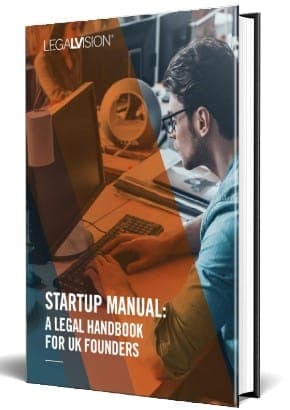
LegalVision’s Startup Manual is essential reading material for any startup founder looking to launch and grow a successful startup.
Call 0808 196 8584 for urgent assistance.
Otherwise, complete this form, and we will contact you on the same business day.
3. Limited Expertise and Resources
Sole traders often operate as one-person shows, meaning you are responsible for all aspects of the business.
While this offers a high degree of control, it also means that you might lack expertise in certain areas, such as marketing, accounting, or legal matters. This can lead to a higher risk of mistakes or oversights that could severely affect your business’s success and compliance with regulations.
It is helpful to take time to recognise your strengths and weaknesses and invest time in learning about the critical areas of business that you lack expertise in. Consider outsourcing specific tasks or seeking mentorship from experienced professionals. Building a network of advisors, peers, or industry associations can provide you with valuable insights and support.
4. Lack of Work-Life Balance
Business ownership can be demanding, and sole traders often find themselves working long hours, including weekends and holidays, to keep their businesses running. This intense work schedule can lead to burnout and negatively impact personal relationships and well-being.
The lack of a clear boundary between work and personal life can also result in chronic stress and decreased overall life satisfaction.
Establishing a strict schedule that allows for dedicated work hours and personal time can be helpful. Set realistic expectations for yourself and your clients regarding response times. Prioritising self-care and maintaining a healthy work-life balance is crucial to ensure long-term success and well-being.
Key Takeaways
Creating a sole trader business in the UK has numerous benefits, such as autonomy and flexibility. However, it is essential to recognise and address the potential risks of this business structure.
By being mindful of the potential for unlimited liability, devising strategies to manage financial instability, proactively addressing limitations in expertise, and prioritising work-life balance, aspiring sole traders can position themselves for success. Naturally, many individuals tackle these risks with the benefit of expert legal advice to ensure that the risks are effectively managed, and business profits are achievable.
If you need legal assistance creating a sole trader business in the UK, our experienced business structure lawyers can assist as part of our LegalVision membership. For a low monthly fee, you will have unlimited access to lawyers to answer your questions and draft and review your documents. Call us today on 0808 196 8584 or visit our membership page.
Frequently Asked Questions
What does unlimited liability mean for sole traders?
Unlimited liability means that as a sole trader, you are personally responsible for all business debts. If your business cannot pay its liabilities, your personal assets, such as your savings or property, may be at risk to cover the debts.
How can sole traders manage irregular income?
To manage irregular income, sole traders should create a detailed budget, maintain a financial buffer for slow periods and regularly review their cash flow. Keeping separate personal and business accounts can also help manage finances more effectively.
We appreciate your feedback! Request your free consultation now.


