


Summary
- UK café owners face legal obligations across employment, health and safety, licensing, intellectual property, and data protection.
- Non-compliance in any of these areas can result in fines, licence revocation, or legal action.
- Staying updated on regulatory changes is essential to operating a lawful and sustainable café business.
- This guide explains the key legal issues affecting café owners operating in the United Kingdom, authored by LegalVision, a commercial law firm.
- LegalVision specialises in advising clients on business operations and compliance law.
Tips for Businesses
Provide written employment contracts within two months of hiring. Conduct regular health and safety risk assessments. Obtain the correct licences before serving alcohol or playing music. Register your trademarks early. Ensure your data collection practices comply with GDPR, including obtaining explicit customer consent and securing personal data appropriately.


Owning and operating a cafe in the UK can be a rewarding venture. The aroma of freshly brewed coffee, the taste of delicious pastries, and the warm ambience draw customers in. However, like any business, cafe owners face various legal issues that can impact their operations. Understanding issues, from employment regulations to health and safety compliance, is crucial for running a successful and lawful cafe business. This article will explore five common legal issues UK cafe owners should know to ensure their business thrives within legal boundaries.
1. Employment Law and Staffing
Hiring and managing staff comes with various responsibilities, such as ensuring fair wages and working conditions and handling disciplinary actions when necessary.
A crucial aspect of employment law in the UK is ensuring that your cafe complies with the National Minimum Wage (NMW) and the National Living Wage (NLW). These rates change annually, so it is vital to stay updated to avoid inadvertently underpaying your staff.
Additionally, you must provide your employees with written contracts outlining their terms and conditions of employment within two months of their start date.
Café owners should also be aware of the Working Time Regulations. These regulations limit the working hours for employees and require you to provide adequate rest breaks. Failure to comply with these regulations can result in penalties and fines.
2. Health and Safety Regulations
Maintaining a clean and safe environment in your cafe is not only good business practice but also a legal requirement. Health and safety regulations protect employees and customers, and non-compliance can result in severe consequences.
Owners of coffee shops must conduct risk assessments to identify potential hazards and take appropriate measures to mitigate them. This includes:
- ensuring the safe storage and handling of food;
- maintaining the cleanliness of coffee machines and food preparation surfaces; and
- providing employees with proper training in food safety procedures.
In addition to these general health and safety measures, cafe owners must also adhere to specific regulations related to COVID-19, which have been particularly relevant in recent years.
It is also important that food businesses obtain a food hygiene certificate and comply with rules set by the Food Standards Agency (FSA). These rules ensure that cafes and the food industry are safe for consumers and minimise risks such as food poisoning. They are particularly relevant if your cafe’s business plan includes selling hot food.
Employer Liability and Public Liability Insurance
While not legally required in every case, public liability insurance protects your cafe if a customer is injured on your premises. Employers’ liability insurance, however, is a legal requirement under the Employers’ Liability (Compulsory Insurance) Act 1969.
You must hold a minimum of £5 million in cover as soon as you employ anyone, even on a casual or part-time basis. You must display your certificate of insurance at your premises or make it available electronically. Failing to hold valid cover can result in fines of up to £2,500 per day.
Many cafe owners overlook this obligation, particularly when hiring seasonal or temporary staff. If a staff member is injured at work and you are uninsured, you face both financial and legal consequences. Keep your policy up to date and review your cover annually as your team grows.
Continue reading this article below the formCall 0808 196 8584 for urgent assistance.
Otherwise, complete this form, and we will contact you on the same business day.
3. Licensing and Alcohol Regulations
To legally serve alcoholic beverages in your cafe, you need a licence from your local authority. This licence may have specific conditions you must adhere to, such as:
- regulated opening hours;
- minimum age restrictions; and
- noise limitations.
Failure to obtain the appropriate licence or violating the terms of your licence can lead to substantial fines and even revocation by the local council, which could be detrimental to your cafe’s profitability.
It is also essential to understand your responsibilities as a licensee, such as preventing underage drinking and maintaining a safe environment for your customers. Any breach of alcohol licensing rules can result in legal action and damage your cafe’s reputation.
4. Intellectual Property (IP) and Copyright
The ambience and branding of your cafe can set it apart from the competition. However, using logos, images, music, or other IP without the appropriate permission can lead you to legal trouble.
Copyright laws are designed to protect the rights of creators and IP owners. When selecting music for your cafe playlist, ensure you have the necessary licences to play copyrighted songs. Similarly, if you plan to use trademarked logos or artwork in your marketing materials or signage, obtain the owners’ permission.
Violating copyright or trademark laws can result in costly legal battles and fines. However, you should also protect your IP. Register your cafe’s name, logo, and any unique branding elements as trademarks to safeguard your business identity. This ensures that others cannot use your IP without permission.
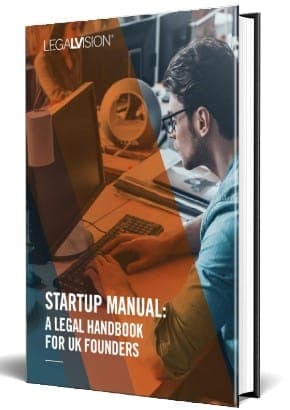
LegalVision’s Startup Manual is essential reading material for any startup founder looking to launch and grow a successful startup.
5. Data Protection and GDPR Compliance
Data protection is a crucial legal issue for cafe owners in an increasingly digital world.
The General Data Protection Regulation (GDPR) governs personal data collection, processing, and storage. Compliance is necessary if your cafe collects and processes customer data, including:
- email addresses;
- names; and
- payment information.
To comply with GDPR, coffee shop businesses must inform customers about the data they collect and obtain explicit consent for data processing. Additionally, you must have proper security measures in place to protect customer data and report data breaches to the Information Commissioner’s Office (ICO) within 72 hours.
Non-compliance with the GDPR can result in substantial fines. Therefore, it is a good idea to stay updated on the evolving regulations and guidelines to maintain the integrity of your data handling practices.
Key Takeaways
Running a cafe in the UK can be fulfilling, but it also has its fair share of legal challenges. The legal landscape is continually evolving, so it is important to remember that it is crucial to keep abreast of regulation changes and seek legal advice to ensure that your cafe complies with the law. By addressing these common legal issues proactively, you can focus on creating a welcoming and enjoyable experience for your customers while safeguarding your cafe’s future.
If you need legal assistance operating a cafe business in the UK, our experienced business structure lawyers can assist as part of our LegalVision membership. For a low monthly fee, you will have unlimited access to lawyers to answer your questions and draft and review your documents. Call us today on 0808 196 8584 or visit our membership page.
Frequently Asked Questions
Do I need a written employment contract for cafe staff?
Yes. You must provide written contracts within two months of an employee’s start date, outlining their terms and conditions of employment.
What licences do I need to serve alcohol in my cafe?
You must obtain a licence from your local authority, which may impose conditions around opening hours, age restrictions, and noise limitations.
How do I legally play music in my cafe?
You must obtain the appropriate licences to play copyrighted music. Playing music without a licence breaches copyright law and can result in fines.
When must I report a data breach under GDPR?
You must report data breaches to the Information Commissioner’s Office (ICO) within 72 hours of becoming aware of them.
We appreciate your feedback! Request your free consultation now.


