


Summary
- Your terms and conditions are only enforceable if they form part of a valid contract, are clearly presented to customers, and do not contain unfair terms.
- Customers must actively accept your terms and conditions – for example, by ticking a checkbox – before completing a purchase.
- When selling to other businesses, agree in advance on which party’s terms and conditions will govern the transaction.
- This article is a plain-English guide to enforcing online terms and conditions for business owners operating in England.
- The content has been produced by LegalVision, a commercial law firm that specialises in advising clients on e-commerce and contract law.
Tips for Businesses
Display your terms and conditions prominently at checkout and require customers to tick an acceptance checkbox. Write in plain English and avoid clauses that unfairly limit your liability. When dealing with business customers, confirm in writing which terms govern the transaction before any order is fulfilled.


If you are running an online business in England, you may worry about how you can enforce the terms and conditions in a legal dispute. Multiple factors will determine the enforceability of your terms and conditions. This article will explain how you can ensure they are fit for purpose in case you need to enforce them in the future.
How is a Contract Enforceable?
The enforceability of your terms and conditions will boil down to whether you and your customer form a valid contract. To create a legally binding contract, there must be:
- an offer;
- acceptance of that offer;
- consideration;
- an intention from both parties to be legally bound to the agreement; and
- an ability for both parties to legally form a contract.
Suppose you sell books on an online store. You show the books available for sale alongside prices and make it possible to purchase them. A customer visits your website and clicks to purchase a book. They are then making an offer to purchase your book. By accepting your order, you accept their offer to purchase your book.
Consideration can be a difficult concept, it means that each party is promising to give the other party something. In this example, the purchaser promises to pay the seller for the book, and the seller promises to give the purchaser the book in return for that payment. Additionally, both the purchaser and seller are adults and capable of understanding this transaction. Therefore we can consider them legally able to enter into this binding contract.
Terms and Conditions
In the bookseller example, you should ensure the customer reads your terms and conditions before finalising their purchase. An easy way to do this is to include your terms and conditions text on the online checkout page or provide a direct link. In addition, you must ensure that the customer clicks a checkbox accepting your terms and conditions. This is also called a “clickwrap agreement”. Thus, you confirm that your customer agrees to be bound by your terms and conditions.
Note that having terms and conditions on your website alone is insufficient. To be enforceable, they must be obvious to your potential customers and e-commerce site users. Site users must have the opportunity to read them before purchasing goods or services from you. If they are in an obscure location and you do not attention the purchaser, they may be unenforceable. Therefore, it is a good idea to have your terms and conditions agreement clearly linked on your e-commerce site. This way, site visitors can easily locate it.
Continue reading this article below the formCall 0808 196 8584 for urgent assistance.
Otherwise, complete this form, and we will contact you on the same business day.
Unfair Contract Terms
A court may not enforce terms that put your customers at an unfair disadvantage. For example, if your terms and conditions are insufficient for a potential customer to understand, they may be unfair and unenforceable. Therefore, it is essential to write your terms and conditions using plain English so they are as easy to understand as possible. Additionally, clauses that limit your liability too much may also be unfair. This is because it is unfair for your business to evade responsibility if your actions cause problems for the other party.
Online Business Selling Goods Offline
You may have an online business but do not have a website that allows customers to order online. For example, perhaps you provide services and send quotations upon request, or customers send you purchase orders by email.
For example, you may send your terms and conditions simultaneously with your quotation or proforma invoice. Then, if the customer proceeds with your business, you need to ensure that they understand and accept these terms and conditions.
Selling Goods to Other Businesses
When you sell goods online to other businesses, it is essential to know that they will also have terms and conditions. However, your terms and conditions may not necessarily take priority over your customers. Thus, they may not be enforceable. In this situation, it is vital to agree on the terms and conditions that apply to a particular transaction so that you are protected in any legal dispute, and each party knows what their legal rights are.
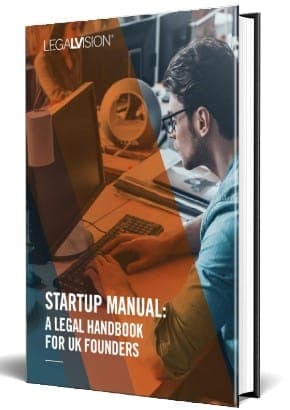
LegalVision’s Startup Manual is essential reading material for any startup founder looking to launch and grow a successful startup.
Key Takeaways
You must ensure that your customers agree to accept your terms and conditions before placing an order with you. This way, your terms and conditions will form part of a legally binding contract between you and your purchaser. Furthermore, you must ensure that your terms and conditions are as clear and easy to understand as possible. Additionally, you must ensure they do not contain any unfair contract terms. If you do this, you should be able to enforce your terms and conditions when you need to.
LegalVision provides ongoing legal support for businesses through our fixed-fee legal membership. Our experienced e-commerce lawyers help businesses manage contracts, employment law, disputes, intellectual property, and more, with unlimited access to specialist lawyers for a fixed monthly fee. To learn more about LegalVision’s legal membership, call 0808 196 8584 or visit our membership page.
Frequently Asked Questions
How long should my terms and conditions be?
Your terms and conditions should be as short as possible, whilst covering everything you need them to. If your terms and conditions are too long, you risk customers not reading the whole thing, and a court might find it unreasonable for your customer to agree to them. Conversely, if you keep them as concise and easy to understand as possible, then it is more likely they will be enforceable.
Do I need terms and conditions for my online business?
In short, yes. If you do not have terms and conditions in place for your online business, you will not have anything to rely on if an issue arises with a customer.
Do business-to-business terms differ?
Yes, when selling to other businesses, both parties must explicitly agree on which terms and conditions govern the transaction.
What if I don’t sell online directly?
Send your terms and conditions alongside quotations or invoices, and confirm the customer’s acceptance before proceeding.
We appreciate your feedback! Request your free consultation now.


