


Summary
- Not all commercial contracts require a witness, but certain documents such as deeds require a witness to be present at the time of signing for the agreement to be validly executed.
- A witness should be an independent adult with no personal interest in the transaction, no familial relationship to the signatory, and must physically observe the signing in real time.
- Electronic signatures are legally recognised in the UK for most documents, but deeds generally still require physical witnessing, and remote witnessing via video call is not yet widely permitted for deeds.
- This article is a guide to signature witnessing requirements for business owners executing commercial contracts under the laws of England and Wales, produced by LegalVision, a commercial law firm.
- LegalVision specialises in advising clients on contract law and commercial document execution.
Tips for Businesses
Identify a reliable, independent witness in advance — ideally an unrelated adult with no interest in the transaction. Never use a minor, a beneficiary, or a close relative. For deeds, ensure physical presence at signing. If uncertain whether your document requires a witness, review the document type before execution.


Some documents require more than just your signature to be legally valid. Under the laws of England and Wales, certain contracts, such as deeds, must have your signature witnessed by another person to be lawfully executed. This article will explain the law concerning witnessing signatures.
Commercial Contracts Which Need a Witness
Not all commercial contracts need someone to witness your signature. For example, a ‘simple contract’ such as agreeing to purchase ten laptops through a standard purchase agreement does not need a person to witness your signature on the document.
However, certain documents, such as a deed, require a witness to your signature. In many situations, including when just one director signs on behalf of a company with multiple directors, it is a legal requirement that a person witness your signature.
Witnessing a Signature in Person
It is relatively straightforward for someone to witness you signing a contract. Your witness simply has to watch you sign the document. They then sign it themselves to confirm they saw you sign it. Importantly, they must view you signing the relevant document rather than signing a pre-signed piece of paper that you tell them you marked earlier.
These witnessing rules are in place primarily to avoid forgery and future disputes about whether you were the person who signed a document. If someone later challenges whether you actually signed, your witness might need to confirm in court that they saw you sign. Another reason is to prevent coercion against a party. This is because an individual is more likely to raise concerns about signing the document with someone else in the room.
Continue reading this article below the formCall 0808 196 8584 for urgent assistance.
Otherwise, complete this form, and we will contact you within one business day.
Who Can Witness Your Signature?
In some circumstances, there are requirements concerning who can witness your signature on documents. In other cases, there is generally accepted ‘best practice,’ which may include that your witness must be someone:
- not involved in making the deed (not the other party or their lawyer);
- who is at least 18 years old;
- with no personal interest in the deal contained within the deed (i.e. not a shareholder who would benefit from its signature); and
- who is not related to you.
There is some controversy about whether the last three bullet points are good practice. While the statutory requirements can be complex, common sense can help you. For example, your 15-year-old son or shareholder who stands to benefit from the deal would not be an appropriate witness. However, an adult working for the land registry with no interest in the deal would be a suitable witness.
Example
Consider for a moment which of the following three individuals a judge is likely to believe if there is a dispute over whether you signed a deed:
- your 15-year-old son;
- your 40-year-old shareholder who stands to benefit from a financial windfall should you be held to have signed the agreement; or
- a 40-year-old working for the land registry you know through a business contact but with no interest in the deal and unrelated to you.
It is reasonable to expect the judge to believe the independent land registry employee because they are a legal adult. Also, there is no conflict of interest or likely loyalty to you. The land registry employee has less reason to lie about your signature than a relative or shareholder.
Many business owners have a preferred witness, who they tend to use for most (if not all) of their commercial contracts and who they know meets the above-mentioned requirements. If none springs to mind, you can ask a lawyer to witness your signature independently for a small fee.
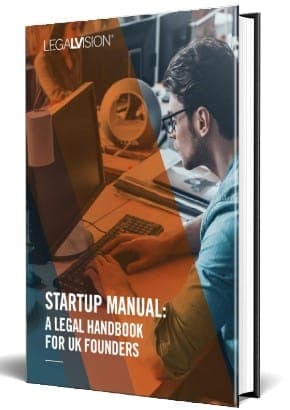
LegalVision’s Startup Manual is essential reading material for any startup founder looking to launch and grow a successful startup.
The Rise of Electronic and Remote Witnessing
In recent years, electronic signatures and remote witnessing have gained prominence in the UK. This has accompanied technology reshaping how legal documents are executed. Under the Electronic Communications Act 2000 and subsequent guidance, electronic signatures are recognised as legally valid for most documents, provided there is clear intent to sign and reliable methods to verify the signatory’s identity. However, deeds and certain other agreements still require strict adherence to traditional witnessing practices, which typically involve physical presence.
The Law Commission extensively debated this approach, acknowledging its potential to modernise legal processes. While current legislation does not permit remote witnessing for deeds, it may be permissible for certain agreements where explicit physical presence is not required, provided the parties implement safeguards such as video recordings of the signing process.
Key Takeaways
Some contracts, like deeds, require an independent person to witness your signature to make the agreement legally binding. Where you need a witness, you must be over 18 years of age and not stand to benefit from the business deal. Witnessing requirements are in place to limit future disputes over whether you actually signed the document.
Under UK law, electronic signatures, including electronic witnessing, are increasingly used and accepted for certain documents. However, deeds still typically require physical witnessing unless specifically addressed by relevant regulations.
Remote witnessing via video conferencing, though not widely permitted for legal documents, is an evolving legal practice that may be suitable in some cases. Staying updated on legal changes that could affect your document signing process is important.
If you need help understanding your contractual obligations, LegalVision provides ongoing legal support for businesses through our fixed-fee legal membership. Our experienced contract lawyers help businesses manage contracts, employment law, disputes, intellectual property, and more, with unlimited access to specialist lawyers for a fixed monthly fee. To learn more about LegalVision’s legal membership, call 0808 196 8584 or visit our membership page.
Frequently Asked Questions
There are requirements about who can witness your signature. One is that those under 18 years old cannot be a legal witness.
Electronic signatures are valid in the UK under the Electronic Communications Act 2000 for most documents. However, deeds still require physical signatures and traditional witnessing unless otherwise specified.
While no strict law prohibits it, using a family member as a witness is strongly discouraged. A judge is less likely to find a relative credible in a dispute, as their loyalty to you creates a potential conflict of interest compared to an independent witness.
Current UK legislation does not widely permit remote witnessing for deeds. However, it may be permissible for certain agreements where physical presence is not explicitly required, provided the parties implement safeguards such as video recordings of the signing process.
We appreciate your feedback – your submission has been successfully received.


